
What you NEED to know about taking Title or Vesting in California
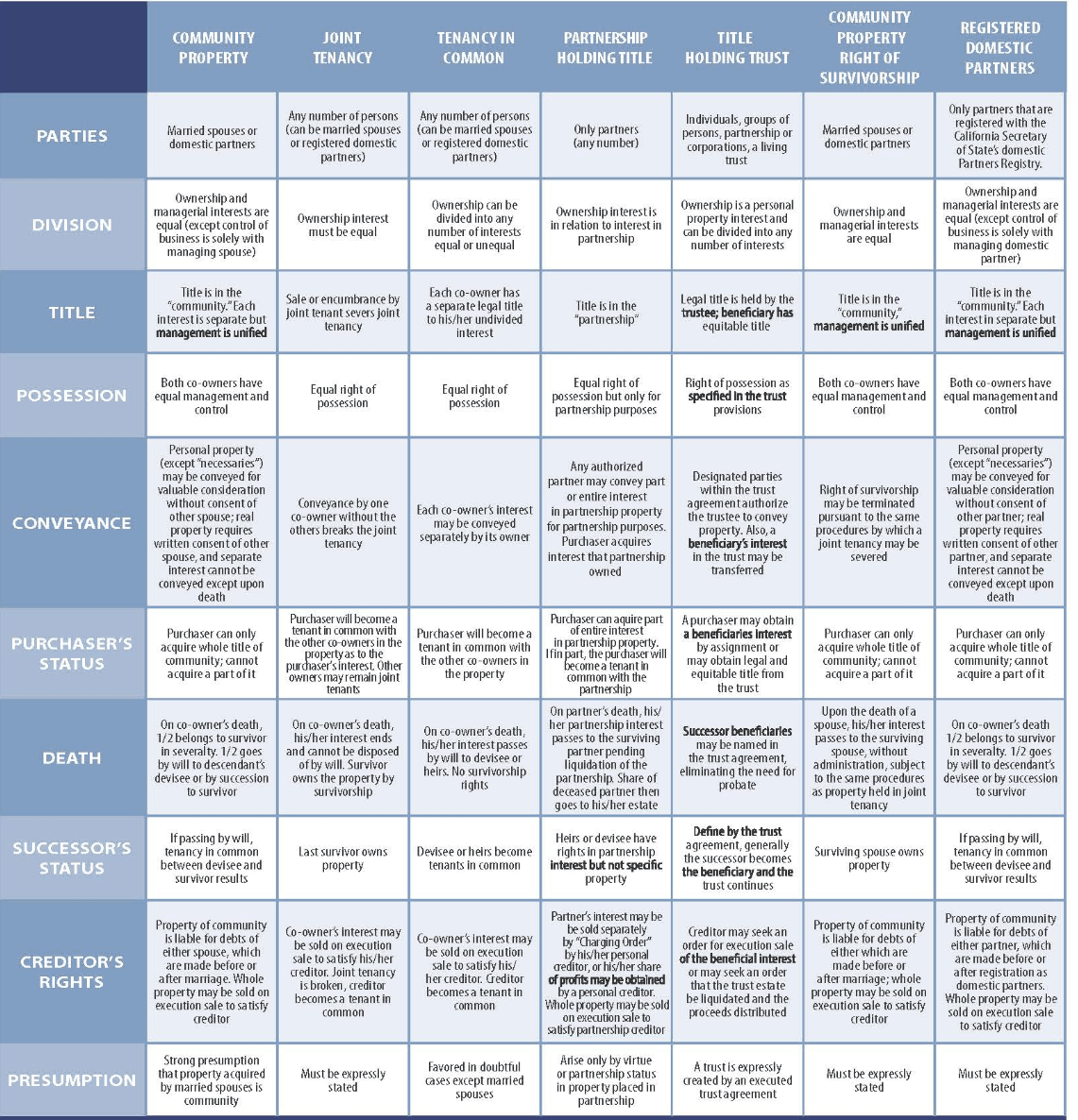
Navigating the process of taking title in California can be a complex endeavor, but understanding your options and the implications can help streamline your real estate transaction. Whether you're a married couple, single, or in a partnership, each title-taking method has its own set of advantages and disadvantages.
For married couples, holding title as community property is a common choice in California. This method ensures that both spouses have equal ownership and interest in the property. One significant advantage is the tax benefit upon the death of a spouse; the surviving spouse gets a step-up in basis for the entire property, potentially reducing capital gains taxes if they decide to sell. However, this method also means that both spouses must agree on any decisions regarding the property.
Single individuals often take title as sole ownership. This is straightforward and gives the individual complete control over the property. The primary benefit is simplicity—there's no need to consult anyone else when making decisions about the property. On the downside, sole ownership lacks the protections and benefits that come with joint ownership structures.
Partnerships, whether between friends, business partners, or family members, frequently choose to take title as tenants in common or through a limited liability company (LLC). Tenants in common allow each partner to own a specific percentage of the property and pass their share to heirs independently. However, disagreements can arise since each owner has an equal right to use and occupy the entire property. Forming an LLC can offer liability protection and clear operational guidelines but comes with additional costs and administrative requirements.
Each method of taking title has its pros and cons. Married couples benefit from tax advantages but must make joint decisions; singles enjoy full control but lack shared responsibility; partnerships offer flexibility but require clear agreements to avoid conflicts.
Understanding these options will help you make informed decisions when investing in California real estate. Always consult with legal and financial professionals to determine which method best suits your unique situation and goals. Please feel free to use this guide as a cheat sheet and reach out to a Real Estate Professional with any further questions. SarahSD.com 619.972.9462
Categories
Recent Posts










GET MORE INFORMATION